



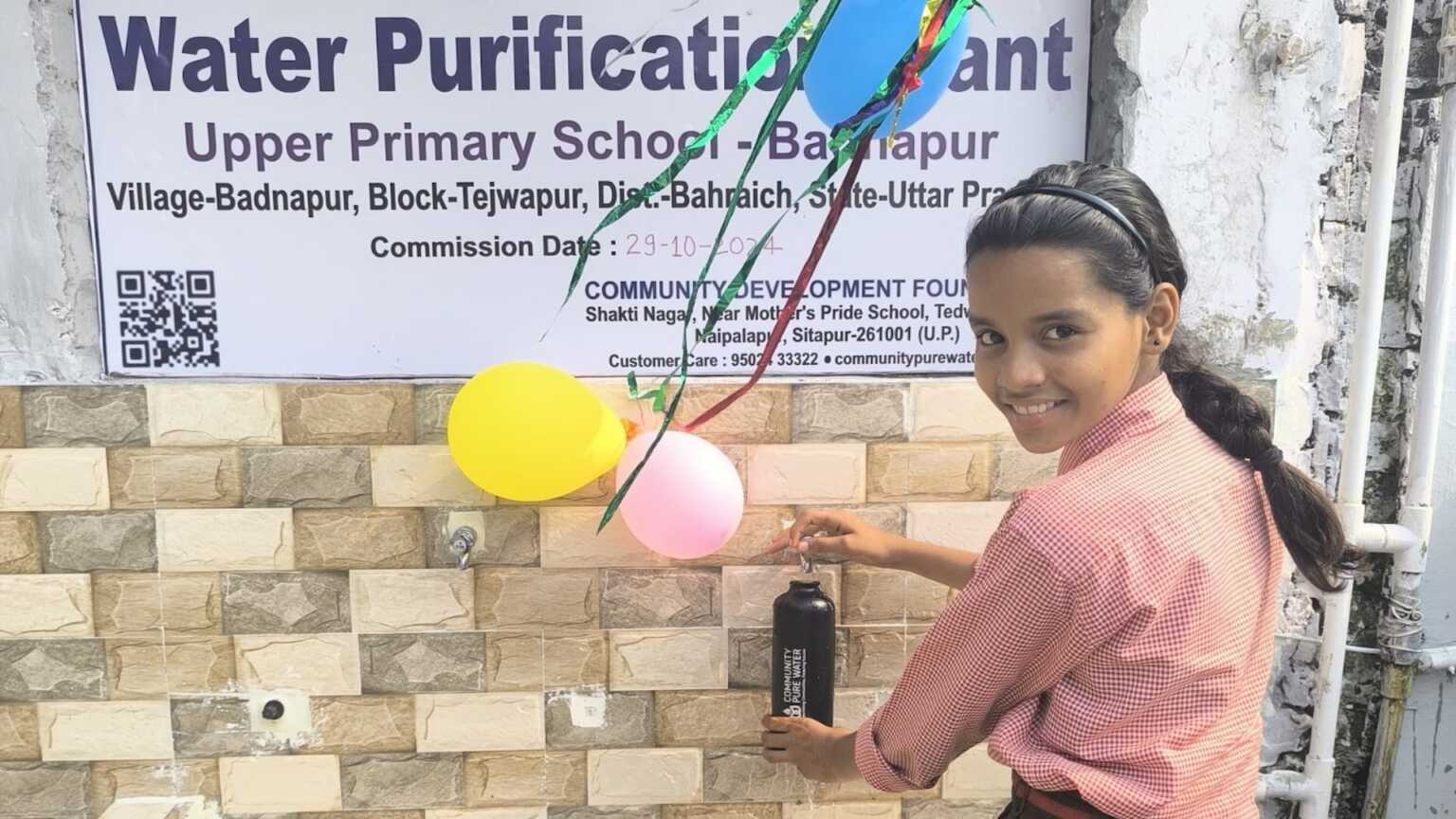
In a small village school in Uttar Pradesh, 12-year-old Soumya sits attentively in her mathematics class, her mind sharp and focused. Just two years ago, she would have been absent from school today—either collecting water for her family or recovering from another bout of waterborne illness. The difference? A simple water purification center installed in her school, providing easy access to safe drinking water.
Soumya’s transformation is not unique. Across rural India, where 700 million people lack access to safe drinking water, schools equipped with water purification centers are witnessing a quiet revolution—one that promises to reshape the future of the nation itself.
The Foundation of Health: Building Strong Bodies and Minds
When children have access to clean water at school, the immediate health benefits are profound. Waterborne diseases, which affect 38 million people in India annually—75% of them children—begin to decline dramatically. Students who once spent weeks recovering from diarrhea, cholera, or typhoid now maintain consistent health, allowing their bodies to develop properly and their minds to focus on learning rather than survival.
But the impact extends far beyond individual health. When entire classrooms of students remain healthy, the collective learning environment transforms. Teachers can maintain consistent curriculum delivery, group projects become possible, and the energy of healthy, engaged students creates a positive feedback loop that elevates the entire educational experience.
Education Unleashed: From Survival to Excellence
In schools with water purification centers, attendance rates increase significantly, with girls’ attendance improving even more dramatically. When students aren’t fetching water or battling illness, they’re in classrooms—learning mathematics, science, languages, and critical thinking skills that form the foundation of future leadership.
Consider the ripple effects: a girl who can attend school regularly instead of collecting water is more likely to complete her education. A boy who isn’t weakened by constant illness can participate fully in both academic and extracurricular activities. These students develop confidence, analytical skills, and the broad knowledge base that tomorrow’s leaders require.
The transformation is generational. These students, with their expanded educational opportunities, are positioned to become the doctors, engineers, teachers, and entrepreneurs that India desperately needs. They’re developing the skills to solve complex problems—including the very water scarcity issues that once limited their own potential.
Breaking the Poverty Cycle: From Scarcity to Abundance
Access to safe water in schools creates a powerful mechanism for breaking intergenerational poverty. When children can focus on education rather than water collection, they acquire the knowledge and skills necessary for higher-paying employment opportunities. A single well-educated child can lift an entire family out of poverty, and communities filled with such children experience economic transformation.
The economic mathematics are compelling: families with access to safe water spend less on healthcare, lose fewer workdays to illness, and can invest the time previously spent on water collection in income-generating activities. When this occurs on a community scale, local economies begin to flourish, creating opportunities for business development, innovation, and sustained growth.
Shaping India’s Future: A Nation of Healthy, Educated Citizens
The implications for India’s future are staggering. Today’s students with water access are tomorrow’s leaders, innovators, and decision-makers. They’re developing the health, education, and confidence necessary to tackle the complex challenges facing the world’s most populous nation.
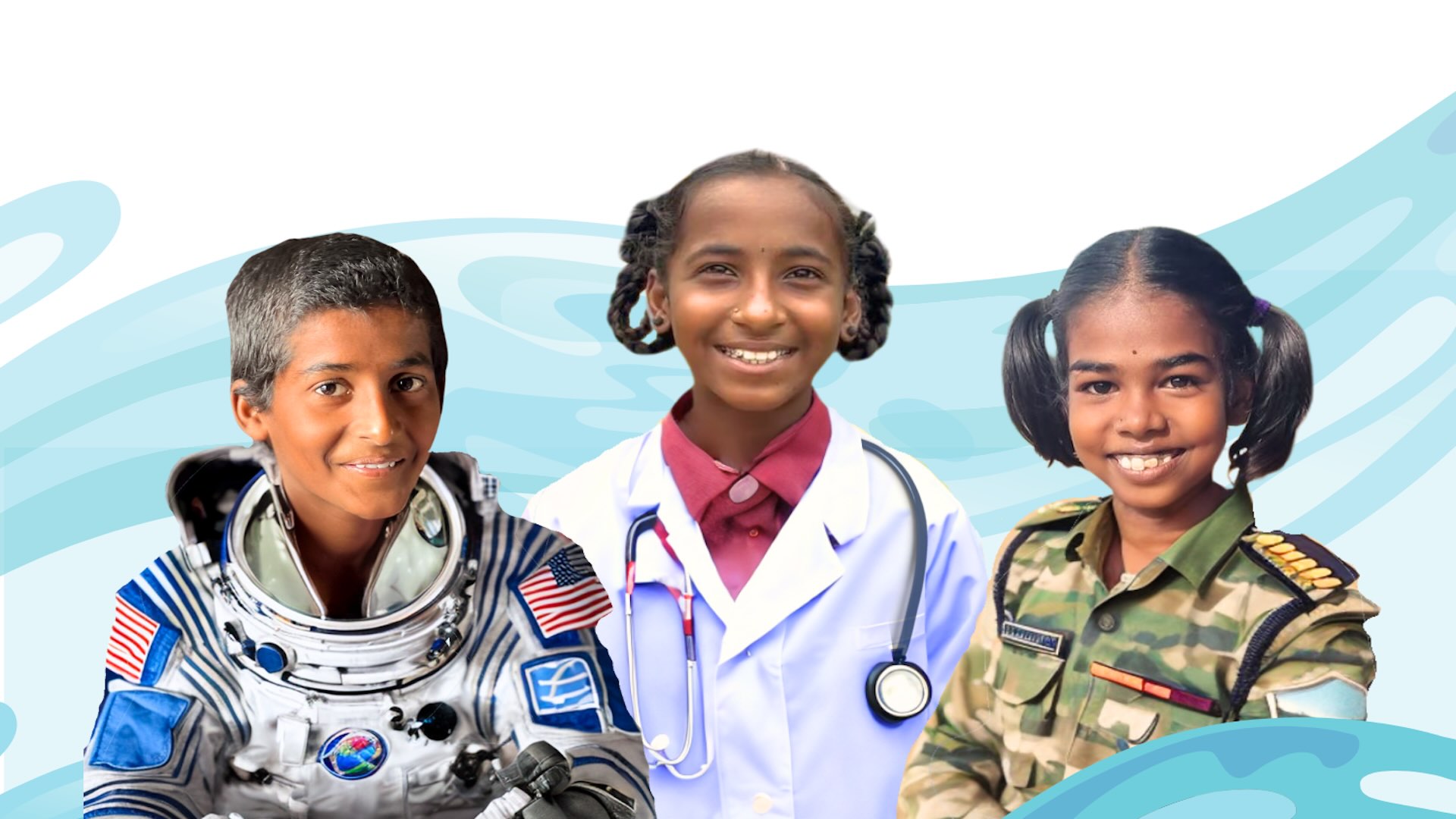
These students will become the scientists who develop new technologies, the entrepreneurs who create jobs, the public servants who improve governance, and the community leaders who drive positive change. They’re learning to think beyond survival, to innovate rather than merely adapt, and to lead rather than simply follow.
Moreover, students who’ve experienced the transformation that comes with water access understand its importance viscerally. They become advocates for infrastructure development, champions of public health, and leaders who prioritize the basic needs that make human flourishing possible.
The Multiplier Effect: One School, Countless Lives
Every water purification center installed in a rural school creates a multiplier effect that extends far beyond the immediate beneficiaries. Today’s students become tomorrow’s parents, teachers, and community leaders. They carry forward not just the education they received, but the understanding that access to basic necessities like safe water is fundamental to human dignity and development.
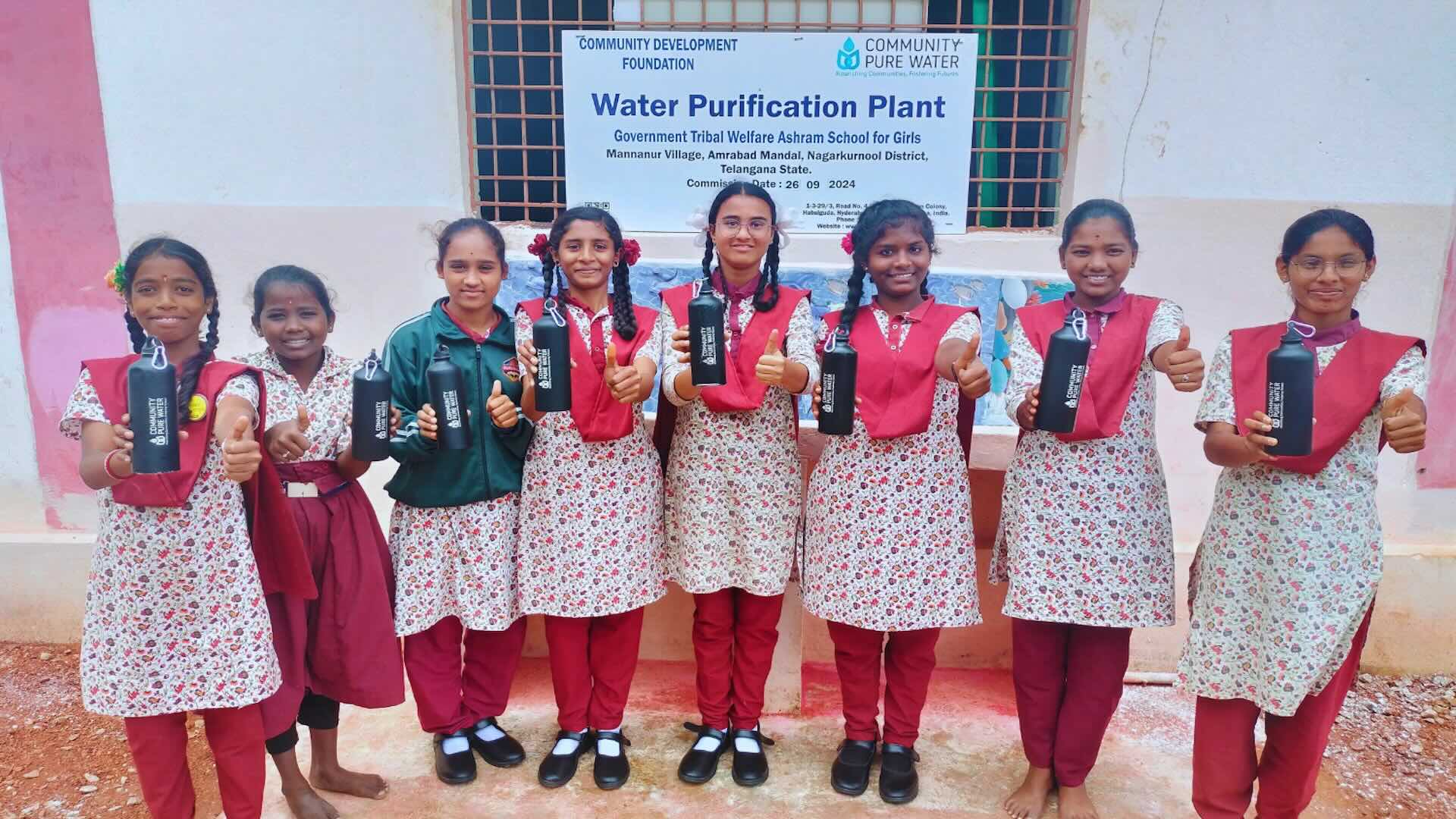
As these students grow into adulthood, they create families that value education, communities that prioritize health, and a nation that recognizes the power of investing in its most basic infrastructure. They become the leaders who ensure that future generations won’t have to choose between water and education, between health and learning, between survival and thriving.
The next generation of Indian leaders is being shaped today, one drop of clean water at a time. Their potential is limitless—and so is India’s future.