


One Bottle, Many Ripples: How a School Water Bottle Empowers a Child All Day
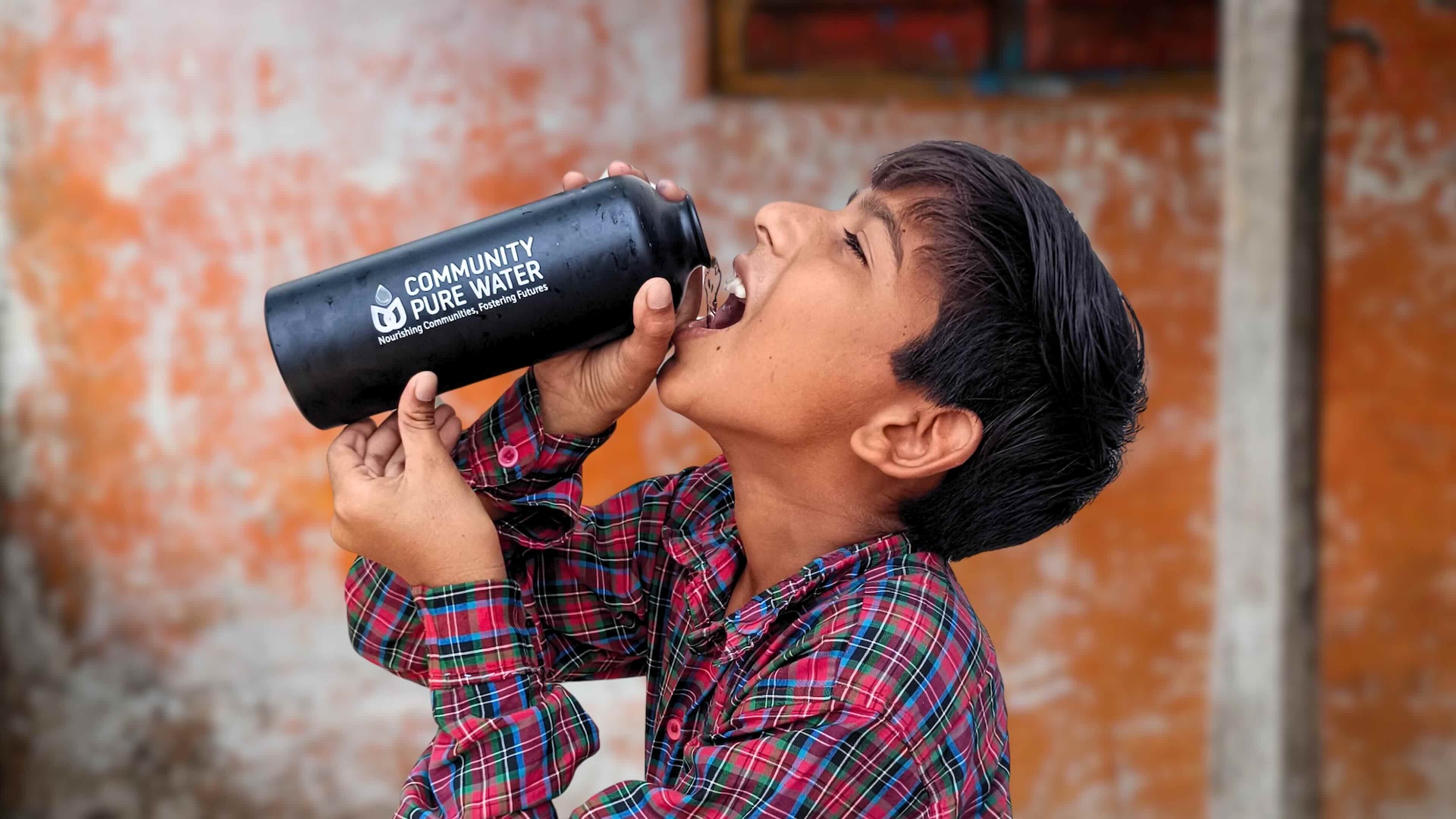
It’s a small act. A child walks to the water purification center installed at their school, fills a bottle with clean water, and returns to class. It takes maybe two minutes.
But those two minutes, and that one bottle of safe water, create ripples that transform the entire day. And eventually, an entire life.
8:00 AM: The Day Begins Differently
Mahesh arrives at school in Sanapallilanka village in Andhra Praesh. Unlike many mornings before the water center was installed, he’s actually here. He’s not at home helping his mother walk three hours to collect water from a distant well.
That first ripple: Attendance. When schools have reliable water access, children show up. They’re not needed for the exhausting daily task of water collection. For the first time, education becomes possible, not just aspirational.
Mahesh fills his bottle from the dispenser. The water is clear, cool, and safe. He drinks deeply, already feeling more alert than on those mornings when he arrived at school thirsty, having rationed the contaminated water at home.
10:00 AM: A Mind That Can Focus
Mid-morning, during math class, Mahesh feels thirsty again. He reaches for his bottle and drinks without interrupting the lesson. His teacher notices something she’s seen more and more since the water center arrived: her students are not just paying attention but participating in class.
The second ripple: Concentration. Dehydration – even mild dehydration – significantly impacts cognitive function. Children who are thirsty struggle with memory, attention, and processing information. They become irritable and tired. Learning becomes nearly impossible.
But Mahesh’s brain is properly hydrated now. The neurons fire efficiently. The math problem that seemed impossible suddenly makes sense. He raises his hand to answer, something he rarely did before when thirst clouded his thinking.
Research shows that children who have adequate water intake perform better academically. It’s not magic, it’s biology. A hydrated brain simply works better.
12:30 PM: Lunch Without Fear
Lunchtime. Mahesh eats his midday meal – cooked right here at school using safe water from the purification center. The rice and dal taste better knowing the water used to prepare it won’t make him sick. He washes it down with water from his bottle.
Before the water center, many children would go the entire school day without drinking, suffering through afternoon classes with headaches and exhaustion. The midday meal program, meant to encourage attendance and nutrition, was compromised when prepared with contaminated water.
The third ripple: Health and nutrition. Safe water access means children can actually digest and absorb the nutrients from their food properly. The midday meal fulfills its promise, nourishing growing bodies instead of risking illness. Children can stay hydrated during physical activity without fear of contamination.
Mahesh’s younger sister used to miss school at least once a week with diarrhea or stomach problems. Since the water purification center opened, she hasn’t been sick once this term. The family has saved money on medicine. His mother has stopped worrying every time her children leave for school.
2:00 PM: Energy for Afternoon Classes
The afternoon sun beats down, and the classroom grows warm. Mahesh drinks again, feeling refreshed. He notices Priya, his classmate, also filling her bottle. She smiles at him – a small moment of normalcy that represents something profound.
The fourth ripple: Gender equality. Before the water center, Priya would miss school two or three times a week to help her mother collect water from distant sources. Girls typically bear the brunt of water collection, walking hours each day with heavy containers. Education became impossible when survival demanded their time.
Priya’s attendance rate has jumped from 60% to 95% this year. She’s at the top of her class now, dreaming of becoming a nurse. That dream wouldn’t be possible without consistent school attendance, and that attendance wasn’t possible until safe, purified water became accessible at school.
4:00 PM: Going Home Healthy
The school day ends. Mahesh refills his bottle one more time before heading home. He takes a long drink, knowing this safe water will get him through his evening chores and homework. His mother used to worry constantly about whether he’d had enough water during the day and whether he’d come home sick. Now she has one less burden to carry.
The fifth ripple: Family peace of mind. Parents whose children attend schools with water purification centers report lower anxiety about their children’s health and safety. The constant worry about contaminated water disappears.
And there’s something else Mahesh’s mother has noticed: the school itself has changed. Enrollment has increased as parents recognize that schools with safe water are healthier, more reliable learning environments. Dropout rates have fallen because children stay healthy enough to attend consistently, and families no longer need to pull children out to help with water collection.
Mahesh’s mother can now focus on her small vegetable business instead of constantly nursing sick children or keeping them home to help carry water.
The Ripples Keep Spreading
That one bottle of water Mahesh filled this morning has created ripples throughout his entire day:
- He attended school instead of collecting water
- He concentrated in class instead of battling thirst
- He absorbed nutrients instead of risking illness
- He had energy all afternoon instead of flagging
- He went home healthy instead of sick
But the ripples don’t stop at the end of the school day. They continue outward, creating waves:
Academic achievement: Children with consistent water access perform better on exams, complete more years of education, and have higher graduation rates.
Economic mobility: Education combined with good health creates pathways out of poverty. Mahesh’s consistent attendance and improved performance mean he’s more likely to complete his education and access better opportunities.
Community transformation: When entire schools have water access, attendance improves across the board. Teachers can teach effectively. Schools can maintain hygiene. Education becomes what it should be – a pathway to a better future.
Breaking cycles: Mahesh won’t grow up thinking that his children should spend their mornings collecting water instead of attending school. He’s experiencing a different reality – one where education and health are possible simultaneously.
More Than Just a Drink
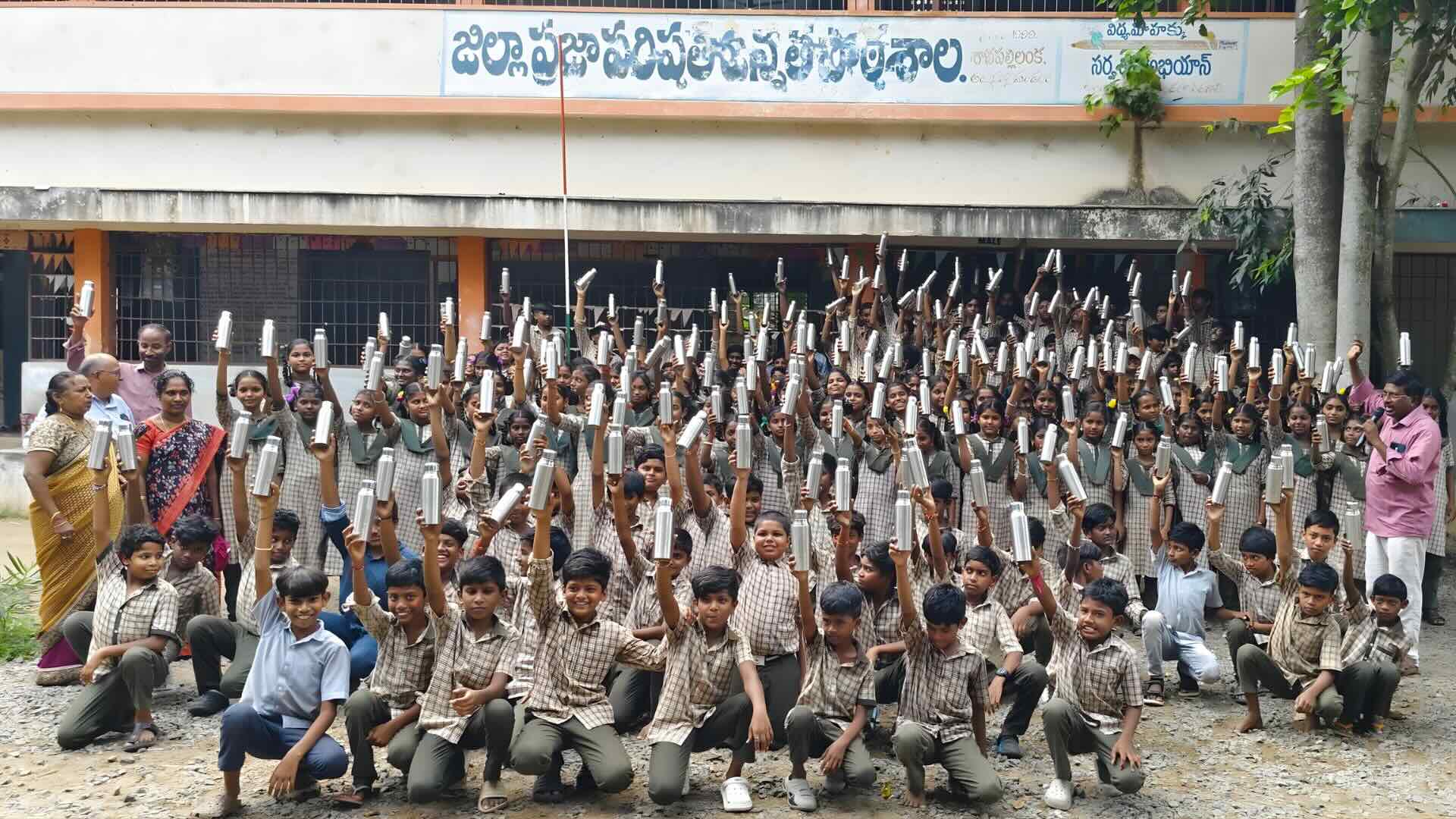
At Community Pure Water, we install water purification centers in villages and schools across rural India, serving over 1.2 million people through 583+ centers. Every day, children like Mahesh fill their bottles with safe water.
It looks simple – just a child drinking water. But we know we’re witnessing something more: Empowerment. Dignity. Possibility.
Because that one bottle isn’t just quenching thirst. It’s enabling learning. It’s protecting health. It’s creating equal opportunities. It’s building futures.
One bottle. Filled in two minutes. Creating ripples that last a lifetime.
Every child deserves this. Every school should have this. Every community needs this.
Because when we invest in safe water access at schools, we’re not just installing purification systems – we’re installing hope, opportunity, and the foundation for entire communities to thrive.
And it all starts with one bottle. Filled with pure water. And infinite possibility.